By Rinki Pandey November 6, 2025
Building strong landlord-tenant relationships starts with clear, consistent, and thoughtful communication. When your tenants feel heard, respected, and informed, they will take better care of the property, respect rules, and are far more likely to remain longer. Effective communication avoids misunderstandings and addresses issues before they escalate, thus creating a positive living environment for your tenants and making property management easier and smoother for you.
The Positive Benefits of a Healthy Landlord-Tenant Relationship
Firstly, when tenants have a good relationship with the landlord, they are more likely to take better care of the property, which minimizes damages and reduces maintenance costs; it can even help to preserve or increase the property’s value.
Secondly, another major benefit is financial stability. When tenants feel respected and valued, they are most likely to stay longer, reducing vacancy rates and therefore providing a steadier, more reliable rental income. Long-term tenants save landlords the time, effort, and expense of constantly finding new renters and contribute to smoother financial planning.
Thirdly, strong relationships also make conflict resolution much easier. Open communication and mutual respect enable issues to be addressed faster, thus making a more better living environment for tenants and a less stressful management experience for landlords.
Finally a good reputation means credibility in the rental market, which gives landlords a competitive advantage by making their properties more attractive and easier to manage over time.
Why Landlord-Tenant Relationships Sometimes Fail
Even strong landlord-tenant relationships can run into problems. Misunderstandings or neglect can strain interactions and make managing the property more difficult. Firstly one common issue is neglecting lease terms. Both landlords and tenants need to follow the agreement, and when either side ignores their responsibilities, tension and distrust can build quickly.
Secondly other significant causes of stress involve the issues of late rent payments. Repeated delays in payment can put pressure on landlords and create frustration in the landlord-tenant relationship. Thirdly communication is also important, if either party isn’t clear or responsive, small issues can escalate into bigger disputes.
Let’s not forget maintenance issues are equally important, unaddressed or delayed requests for repairs may create negative living conditions for a tenant and can greatly impact the tenant relation with the landlord. Quick consideration of all maintenance needs ensures that the landlord maintains happy tenants and sustains a long term positive experience.
Why Good Communication Matters for Landlords
As a landlord, clear and friendly communication builds the way to establish a good relationship with your tenants. The manner of interaction from the very beginning will shape trust and set clear expectations.
Good communication which is constant and friendly levels up trust and minimizes misunderstandings and disputes. When tenants know heir voice is heard, they are most likely to report issues early, which can stop small problems from developing into costly repairs.
Being approachable and responsive also shows that you take your responsibilities seriously, boosting your reputation as a reliable landlord. Over time, this makes current tenants happier and helps to attract trustworthy tenants in the future.
How to Communicate Effectively with Your Tenants
Not every tenant has the same preference when it comes to communication, so offering multiple methods of communication should be considered. Some people don’t like telephone calls; others hardly read emails. Make choices such as text, WhatsApp, social media, and landlord apps available for them to choose what best suits them.
Secondly, responding to queries on time, sending reminders of tasks, and scheduling regular catch-ups keeps them informed. Being proactive also helps to prevent small issues from turning into bigger problems. Also, listen carefully to what they say, show empathy, acknowledge feedback, and your tenants will feel valued and respected. Over time, this approach not only strengthens trust but also encourages open communication.
How to Encourage Two-Way Communication
Good communication is a two-way method; it’s not just about getting your message across, you also have to create space for tenants to be heard. Firstly when tenants feel their opinions matter, it builds more better trust and strengthens the relationship better.
This can be done by requesting feedback often through an informal email, a short survey, or a very casual conversation during inspections. This shows tenants you care and gives more valuable insight into how to improve your service. It’s also crucial to express gratitude to your tenants when they bring up concerns. Early problem reporting prevents minor problems from growing into larger ones.
Handling Difficult Conversations with Tenants
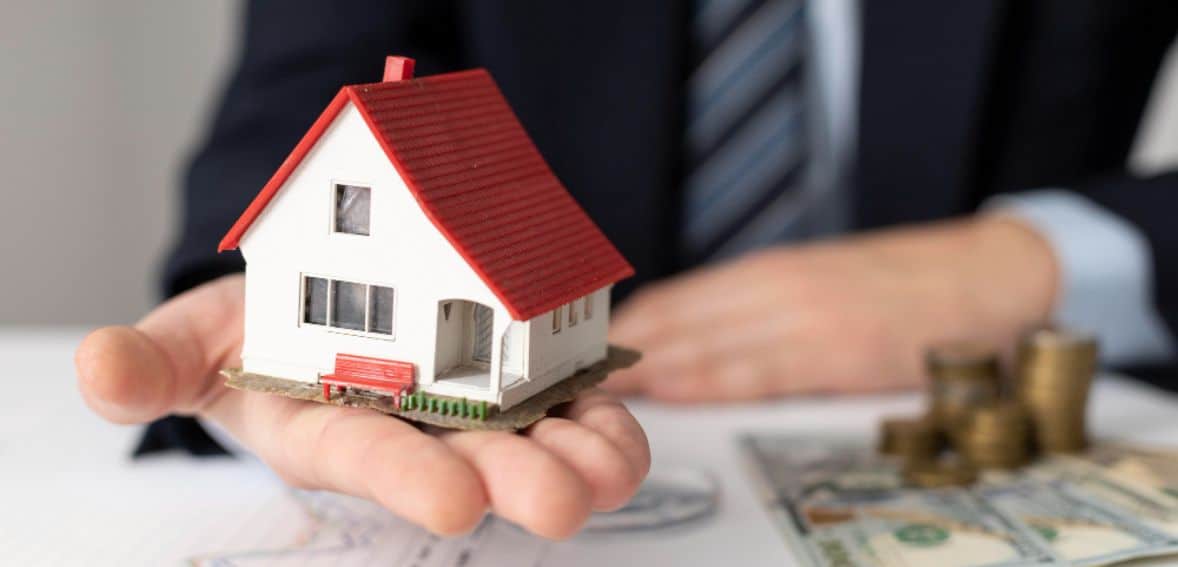
When things are going more smoothly, communication is always much easier, but difficult conversations can also occur occasionally. Your relationship with your tenant will be impacted by how you handle issues like late rent, noise complaints, or tenancy agreement violations.
First, handle issues delicately, get all the information first, and then deal with the matter coolly and professionally. Express your worries in a straightforward manner, free of accusations or blame. Instead of blaming or arguing, concentrate on coming up with a better solution. To keep the discussion on track, speak in a courteous and neutral manner.
Secondly, maintain your composure even if the tenant becomes defensive or agitated. Maintaining your composure prevents the situation from getting worse. Seek the assistance of an impartial third party if you are unable to resolve the issue on your own. They can facilitate better communication between the parties and lead to a better result, without the need for expensive legal action.
Last but not least, always keep a record of everything, including emails, texts, phone calls, and face-to-face discussions regarding repairs, notices, or complaints. You can prevent miscommunications or legal issues by keeping written records.
Other Ways to Build a Strong Landlord-Tenant Relationship
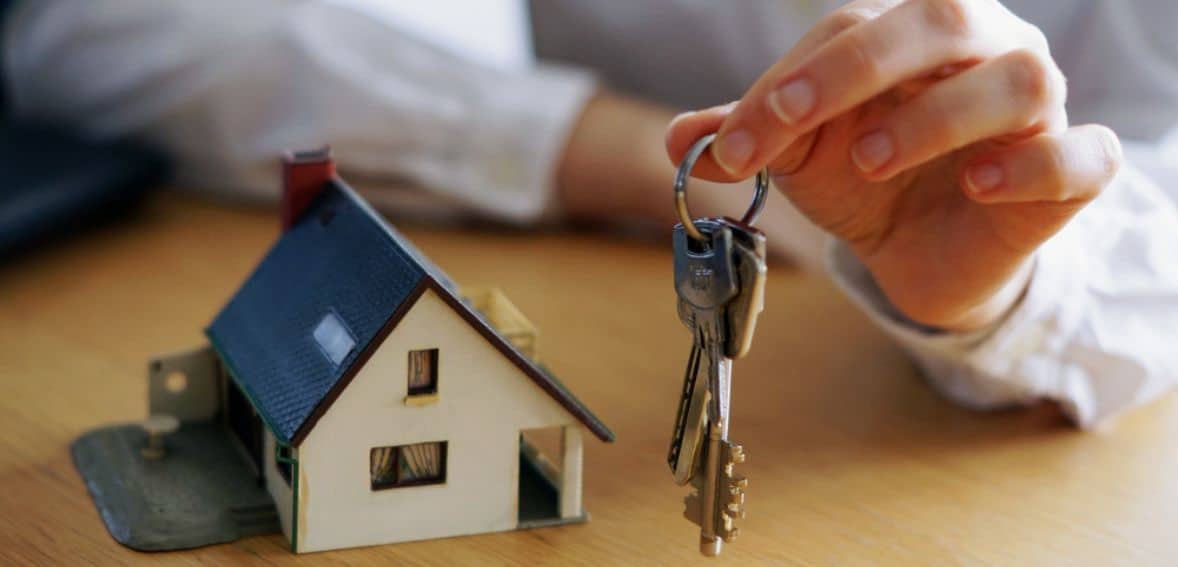
There is no better way to build a good relationship with your tenants than to respect their privacy, which is why it is vital that you respect their boundaries. A tenant is entitled to live comfortably in their home; therefore, always give plenty of notice before visits or maintenance checks, preferably at reasonable hours.
Secondly professionalism can be maintained through screening of tenants, updating of contracts and references, and minimizing disputes to protect both parties and the property. Thirdly, always try to be flexible, sometimes tenants’ schedules or needs will not align with yours, be it for visits, repairs, or adjustments in contract.
By being understanding and flexible, you reassure tenants that their priorities will be taken into consideration without affecting their privacy or lifestyle, thus boosting satisfaction and encouraging longer retention.
With time, these actions will not only maintain a peaceful relationship with your tenants but also boost your reputation as an attentive and considerate property owner. Happy tenants ultimately leads to smoother management, fewer disputes, and an overall positive rental experience for all parties involved.
Conclusion
Healthy tenant relationships are built on the foundations of open communication, respect, and trust. By listening to their tenants, promptly responding to their inquiries, and keeping them informed, landlords can make sure that everyone has a positive rental experience. Clear and consistent communication can prevent conflicts and promote long-term retention. It will also lessen stress and help manage a better, more peaceful property management.
FAQs
Why is communication with tenants so important?
Clear communication is crucial to building trust, avoiding misunderstandings, and quickly resolving issues in a landlord-tenant relationship.
How should landlords communicate with their tenants?
Regular follow-ups, prompt responses to their inquiries, and even maintenance updates help to keep tenants informed and foster positive relationships.
Which methods of communication with tenants work best?
There are several options, including phone, email, text, WhatsApp, and property management apps, to satisfy the preferences of tenants.
How can landlords handle complaints in an efficient manner?
Always focus on listening carefully, answering politely, giving updates, and swiftly resolving problems in order to show professionalism and concern.
Does good communication affect tenant retention?
Valued and informed tenants are more likely to remain for a longer period of time, which reduces turnover expenses and the problem of vacancies.